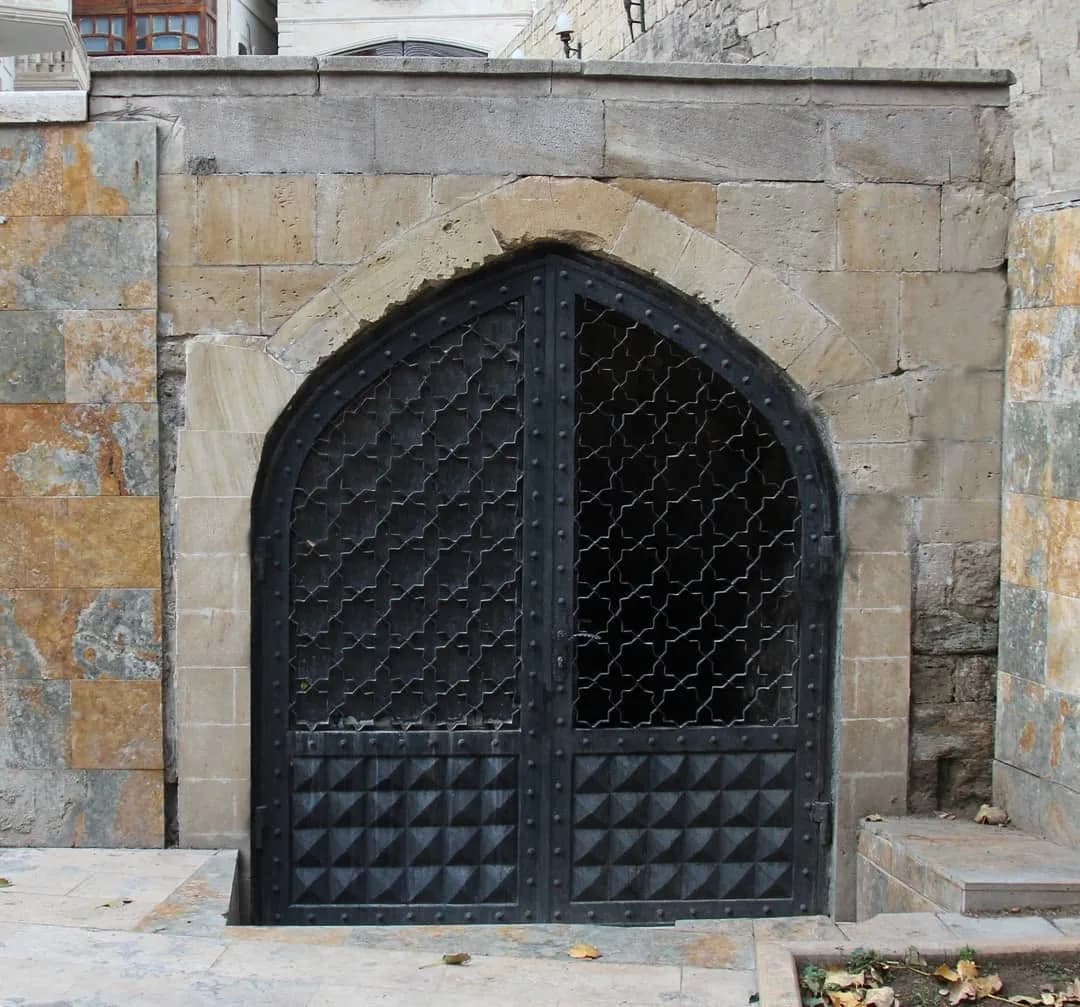
Ovdan
What Is an Ovdan, and Why Did the Soviets Fill Them with Earth?
What Is an Ovdan?
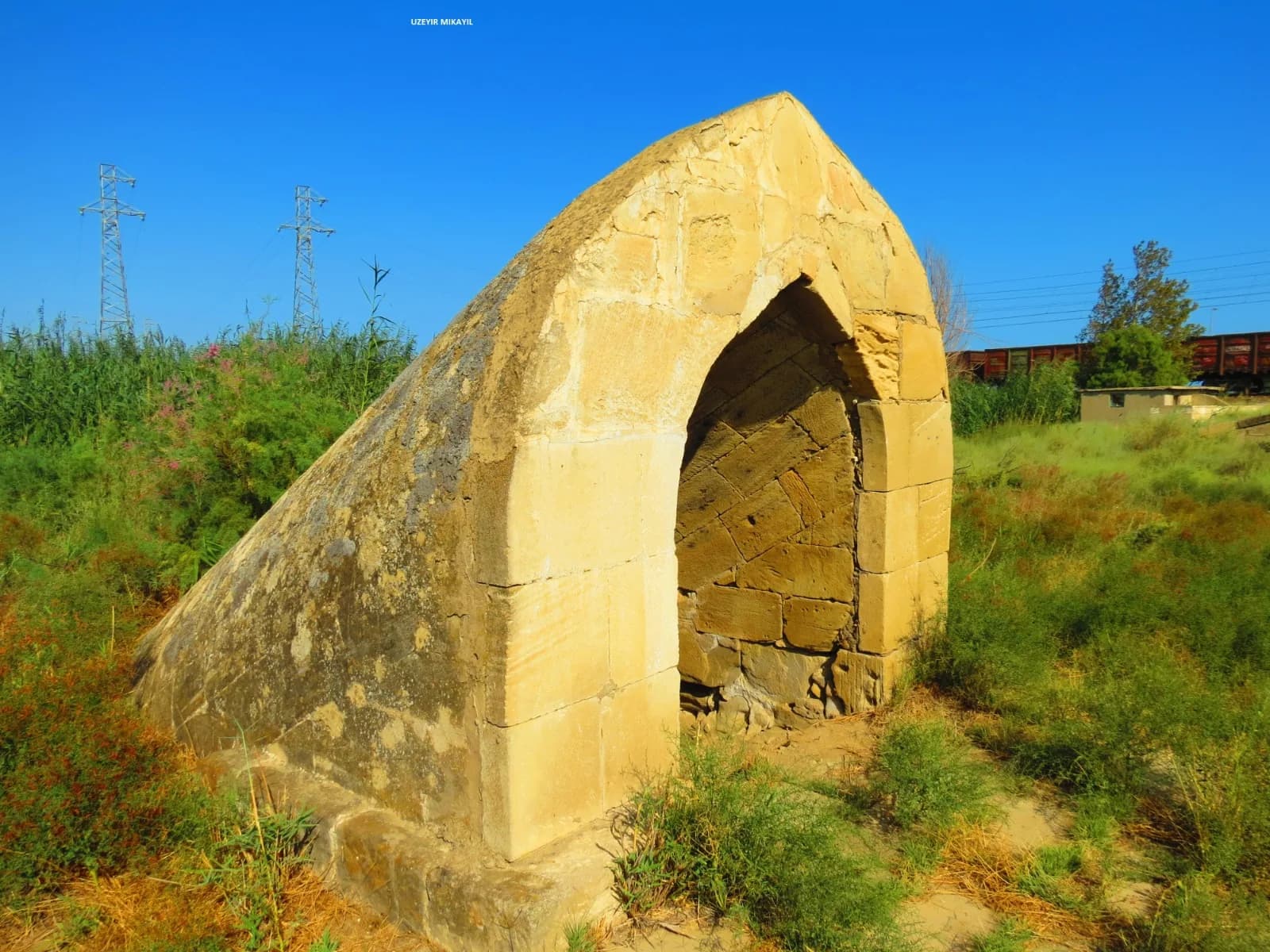
An ovdan is a traditional underground structure designed to collect and store water. Unlike an ordinary well, it features a covered structure built over the water source. Ovdans are considered a distinctive element of the traditional water infrastructure of Baku and the Absheron Peninsula. In times when water was scarce, wells were dug and ovdans were constructed over them. Only a small number of these structures have survived to the present day.
Who Used Ovdans?
Ovdans were used by both local residents and travellers passing through the area along caravan routes.
Stones with hollowed-out centres were also placed near ovdans. Travellers used these stones to tether their horses and camels.
One of the oldest known ovdans in Azerbaijan is located in the village of Gala and dates back to 1665.
The Structure of Ovdans
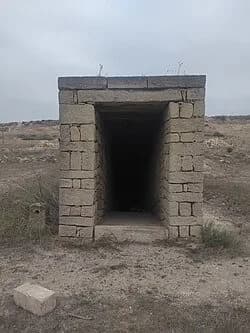
Based on their construction, ovdans can be divided into three categories. The first type was carved directly into rock and primarily collected rainwater. The second type was built in sandy soil and collected groundwater. The third type drew water from both sources: rainwater and groundwater.
Ovdans were typically situated three to four metres below ground level. Steps were built inside the structures, allowing people to descend to reach the water.
One of the most remarkable features of ovdans is their architectural design. Their underground location reduced water evaporation and provided constant shade, helping the water remain relatively cool even during the hottest months of the year. This design also protected the structures from dust and sandstorms.
Why Did the Soviets Fill Ovdans with Earth?
However, beginning in 1923, the Soviet authorities started filling ovdans with earth. The measure was reportedly motivated by concerns that these underground structures could potentially be used to store weapons.
Nevertheless, some ovdans have survived to this day, and a number are still in use. One historic example can also be found within the grounds of the Palace of the Shirvanshahs in Baku's Old City, Icherisheher.