
Bukinist
I am one of the last representatives of the 20th century. I did not live through the Soviet era, but the years that followed remain quite clear in my childhood memories.
After our country emerged from the grip of the USSR, everything was turned upside down. As in every other sphere, the book industry was also deeply affected. Publishing houses could no longer operate as they had before, the number of bookstores was declining, and finding books was becoming increasingly difficult. Books, mostly in Russian, were brought into the country by individuals and sold from stalls, some of them along what is now Nizami Street. Azerbaijani-speaking readers, meanwhile, were still dependent on Soviet-published books and often turned to bukinists, secondhand booksellers specializing in old and used books, to find what they were looking for. In those years, quite a number of bukinists operated in different parts of the city.
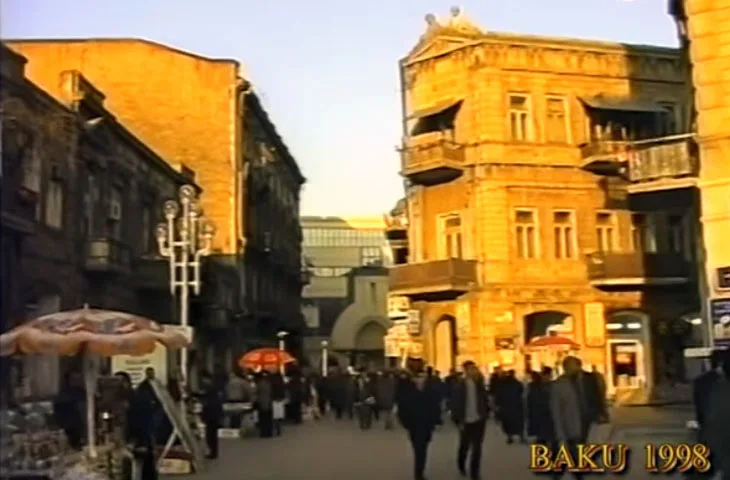
During the Soviet period, having large personal libraries at home was commonplace. After the collapse of the Soviet Union, people facing financial difficulties gradually began selling their books to bukinists. But there were also plenty of people interested in buying them.
At that time, bukinists became one of the main destinations for people searching for books. Unlike in some other countries, Baku’s bukinists were not concentrated in a single area but were scattered throughout the city. Nevertheless, people who loved reading knew exactly where to find them. Some bukinists even had their own regular customers.
This continued until roughly 2005–2010. By then, various books were already being translated into Azerbaijani, although the number of translations was still far from sufficient. Influenced by a way of thinking shaped during the Soviet period, many authors were still writing their books in Russian, particularly academic and scholarly works.
Meanwhile, our alphabet had changed. A new generation emerged that did not know how to read the Cyrillic alphabet. In this way, a kind of linguistic barrier emerged between the books read by previous generations and today’s generation.
It was also during this period that the publishing house Qanun was established. I think we owe Qanun a great deal. It played a major role in increasing the younger generation’s interest in reading.
As young people’s interest in reading grew, they also began turning to bukinists. I was no exception. I used to visit bukinists quite often. I can still hear the sound of the little bell on Uncle Elman’s door and the creaking of the floorboards inside.
Over time, the number of publishing houses increased, books became more widely available, and bookstores became more accessible. Instead of searching for a bukinist, it became easier to walk into a bookstore on the way somewhere and simply buy the book you wanted. Old books, meanwhile, gradually began to decorate the walls of book cafés. Uncle Elman’s bukinist shop eventually became a book café too.
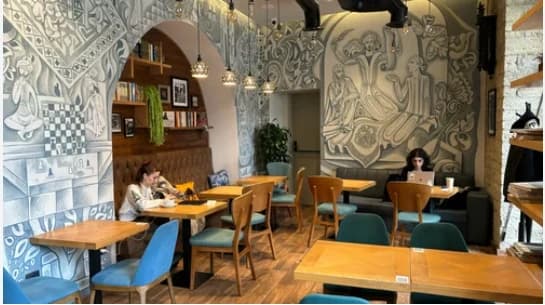
Today, I wanted to visit a bukinist while looking for an old book. But I discovered that in a city as large as Baku, only two or three bukinists remain. Can you imagine?
Even more disturbing was the answer I received when I asked, “There should be a bukinist nearby. Do you know where it is?”
“What is a bukinist?”
Places that were once familiar to everyone have now become an unfamiliar word.
Along with bukinists, old libraries have also disappeared. The days when we could sign up for a library, borrow a book and take it home to read are now a distant memory. Searching through wooden drawers for cards in a card catalogue has become a scene that exists only in our memories.
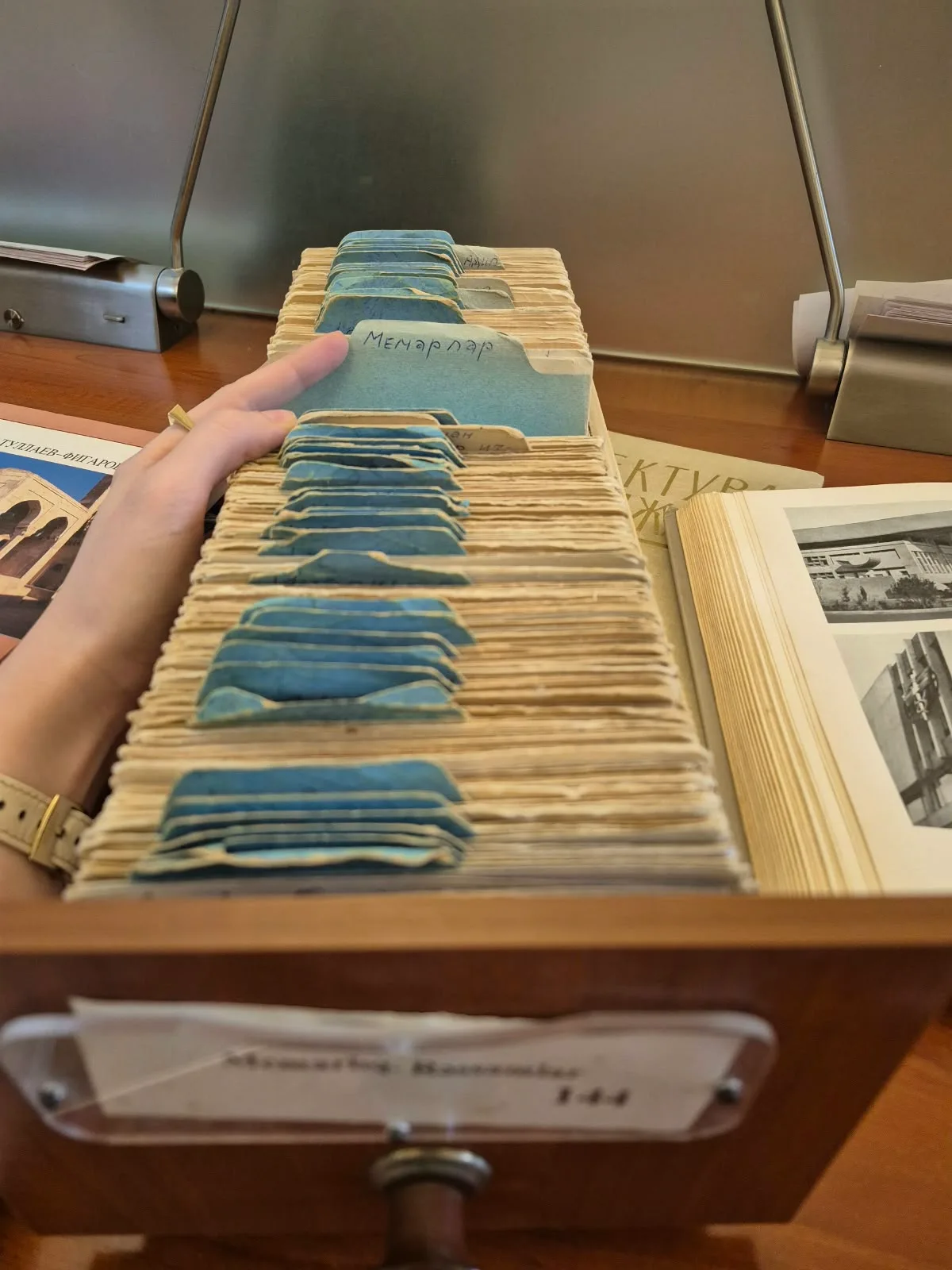
I don’t know. Perhaps we should blame the internet here too. Did PDF books make bukinists and libraries disappear?
But explaining the issue simply through technological change seems a little too easy to me. Architects are drawn to new buildings, but they also value the preservation of history. One way of preserving history is to change the way a place is used. A bukinist shop, for example, can be transformed into a book café.
But the issue does not end with the decline of bukinists. Certain places that hold the memory of the city are disappearing. A bukinist shop, an old library, a neighbourhood store, or a workshop that has served the same function for decades is part of the city’s memory. What actually saddens me is our own indifference towards this.
Yes, an establishment can lose its original function over time. But this is a natural process happening all over the world. For example, neighbourhood grocery stores can no longer achieve the same level of sales in many parts of the world. People’s shopping habits are changing, while large supermarkets and online shopping are replacing small local stores.
But if bukinists have managed to retain their relevance to some extent around the world, why are they disappearing so quickly here?
Perhaps one solution would be to create a shared, centralised space that brings modern bookstores and bukinists together.