


There are moments in nature so magical that they appear only rarely. Yet once you witness them, they stay with you forever.
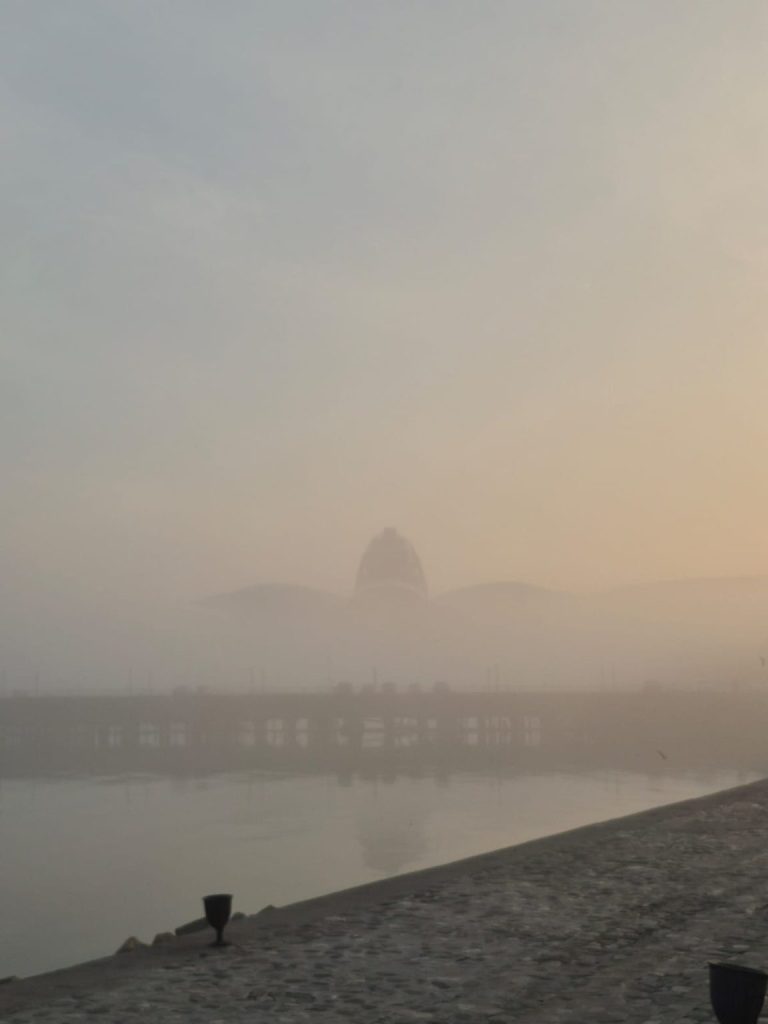
One of those moments was Baku’s magical winter fog. The sea and the mist blended into one, buildings disappeared, and the city seemed to lose its boundaries. I am certain I will never forget that day. Perhaps it was the first time I truly felt free in an urban environment. It felt as if no one, and no device, could possibly see me.
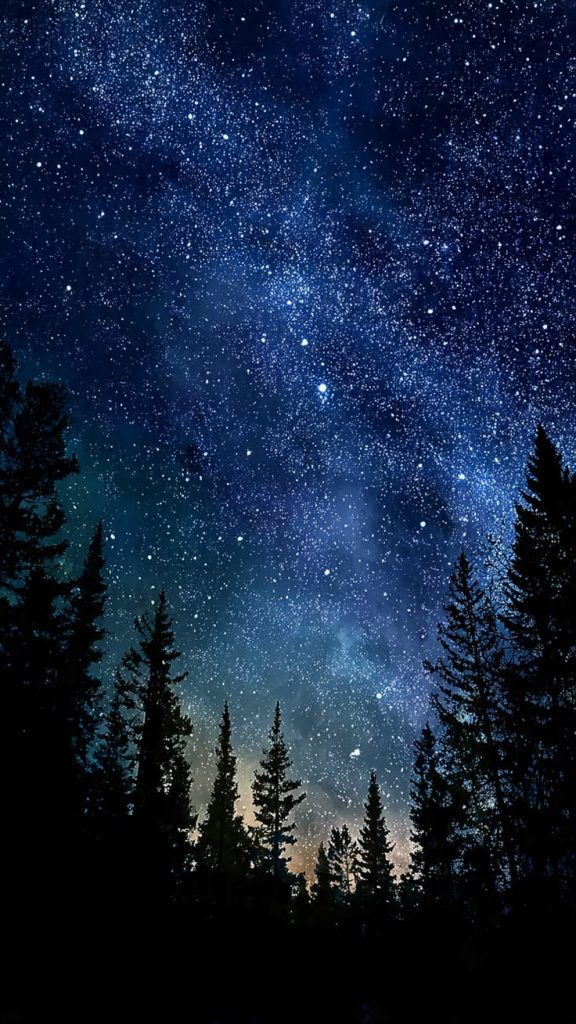
There is another magical memory from my childhood. It may not be a rare natural phenomenon, but for people who live in cities today, experiencing it has become almost impossible. I am talking about starry nights.
I wish I could go back to my childhood and gaze at those stars once again. I want to see how they shone in the darkness, illuminating not only the sky but, it seemed, the entire world. Perhaps I should consider myself fortunate simply because I witnessed what it was like when the stars truly lit up the night.
Today, in our pursuit of safer and brighter cities, we have lost many of nature’s most magical moments. Streetlights, billboards, and the lights of buildings have hidden the stars from us.
Future generations may never fully understand the phrase often found in old detective novels: “We saw the murderer by the light of the stars.” To them, it will sound like nothing more than a poetic image or a writer’s exaggeration.
But do you know what saddens me the most?
Even when I travel to small towns or villages now, I no longer see the stars as I once did. Perhaps the air there has become more polluted. Perhaps there are simply more lights than before. Or perhaps my eyes have grown so accustomed to artificial light that they no longer notice the quiet glow of nature.
Do we really have to destroy the night to make our cities safe?
Some cities around the world prove that safety and darkness are not enemies.
Take Tucson, Arizona, for example. To protect its star-filled sky, the city has adopted strict lighting regulations. Streetlights are designed to direct their light downward, onto the ground and the road, instead of into the sky. This way, the places where people walk remain well lit, while the night sky is not washed away by unnecessary light.
Paris is also developing new approaches to reduce light pollution.
But the approach I admire most is Amsterdam’s. In some parts of the city, intelligent lighting systems are used. The brightness of streetlights does not remain the same throughout the night. When a pedestrian, cyclist, or vehicle approaches, the lights become brighter. Once the street is empty again, they gradually dim.
The beauty of this model is that the night remains safe, while the city does not feel as though it is living under floodlights every moment of the night.
Cities do not need more light. They need smarter light. People should be able to walk home safely after dark without feeling as though every step is being watched beneath a spotlight. Streets should be illuminated, but the sky should not lose its right to remain dark. Because darkness does not always mean danger. Sometimes it is a quiet shoreline. Sometimes it is a starry night carried with us from childhood.